Coding Agents OpenAI's Codex, Google's Jules - Unleashed
Exploring how to setup OpenAI's Codex, Google's Jules to enhance software development.
%22%3E%0A%20%20%20%20%20%20%3Cstop%20offset%3D%220%25%22%20stop-color%3D%22%238b5cf6%22%2F%3E%0A%20%20%20%20%20%20%3Cstop%20offset%3D%22100%25%22%20stop-color%3D%22%233b0764%22%2F%3E%0A%20%20%20%20%3C%2FlinearGradient%3E%0A%20%20%20%20%3CradialGradient%20id%3D%22halo%22%20cx%3D%220.110%22%20cy%3D%220.240%22%20r%3D%220.55%22%3E%0A%20%20%20%20%20%20%3Cstop%20offset%3D%220%25%22%20stop-color%3D%22rgba(255%2C255%2C255%2C0.32)%22%2F%3E%0A%20%20%20%20%20%20%3Cstop%20offset%3D%2260%25%22%20stop-color%3D%22rgba(255%2C255%2C255%2C0)%22%2F%3E%0A%20%20%20%20%3C%2FradialGradient%3E%0A%20%20%3C%2Fdefs%3E%0A%20%20%3Crect%20width%3D%22800%22%20height%3D%22500%22%20fill%3D%22url(%23g)%22%2F%3E%0A%20%20%3Crect%20width%3D%22800%22%20height%3D%22500%22%20fill%3D%22url(%23halo)%22%2F%3E%0A%20%20%3Cg%20fill%3D%22rgba(255%2C255%2C255%2C0.12)%22%20stroke%3D%22rgba(255%2C255%2C255%2C0.18)%22%20stroke-width%3D%221%22%3E%0A%20%20%20%20%3Ccircle%20cx%3D%2288%22%20cy%3D%22120%22%20r%3D%2268%22%2F%3E%0A%20%20%20%20%3Ccircle%20cx%3D%22712%22%20cy%3D%22380%22%20r%3D%2238%22%2F%3E%0A%20%20%3C%2Fg%3E%0A%20%20%3Ctext%20x%3D%2250%25%22%20y%3D%2252%25%22%20text-anchor%3D%22middle%22%20dominant-baseline%3D%22middle%22%0A%20%20%20%20%20%20%20%20font-family%3D%22Inter%2C%20system-ui%2C%20sans-serif%22%20font-weight%3D%22800%22%0A%20%20%20%20%20%20%20%20font-size%3D%22170%22%20fill%3D%22rgba(255%2C255%2C255%2C0.92)%22%20letter-spacing%3D%22-6%22%3ETA%3C%2Ftext%3E%0A%20%20%3Ctext%20x%3D%2250%25%22%20y%3D%2278%25%22%20text-anchor%3D%22middle%22%0A%20%20%20%20%20%20%20%20font-family%3D%22Inter%2C%20system-ui%2C%20sans-serif%22%20font-weight%3D%22700%22%0A%20%20%20%20%20%20%20%20font-size%3D%2222%22%20letter-spacing%3D%226%22%0A%20%20%20%20%20%20%20%20fill%3D%22rgba(255%2C255%2C255%2C0.78)%22%3ETECHNOLOGY%3C%2Ftext%3E%0A%3C%2Fsvg%3E)
In the world of software development, code that works is just the beginning. Clean code code that is readable, maintainable, and adaptable is what separates good developers from great ones. Let's explore the principles and practices that can elevate your code quality.
The primary characteristic of clean code is clarity. Code is read far more often than it's written, so optimizing for readability pays dividends over time. This means using meaningful variable and function names, keeping functions small and focused, and structuring your code in a logical, intuitive way.
Remember that code is a form of communication not just with the computer, but with other developers (including your future self).
"Don't Repeat Yourself" is a fundamental principle of clean code. Duplication creates maintenance headaches and increases the risk of inconsistencies. When you notice repeated patterns, abstract them into reusable functions or classes.
However, be cautious about premature abstraction. Sometimes a small amount of duplication is preferable to the wrong abstraction.
The SOLID principles provide a robust framework for creating maintainable object-oriented code:
While clean code should be largely self-documenting, judicious use of comments can enhance understanding. Focus on explaining the "why" rather than the "what" or "how," which should be evident from the code itself.
Well-written tests serve as executable documentation, demonstrating how code is intended to be used and what outcomes are expected. A comprehensive test suite not only catches bugs but also provides a safety net for refactoring.
Clean code isn't achieved in a single pass it's the result of continuous improvement. Regular refactoring keeps technical debt in check and allows your codebase to evolve gracefully as requirements change.
By embracing these principles and practices, you'll create code that's not just functional but also a pleasure to work with code that stands the test of time and continues to deliver value long after it's written.
Subscribe wiring is coming soon. For now, follow the daily news feed or connect on LinkedIn for updates.
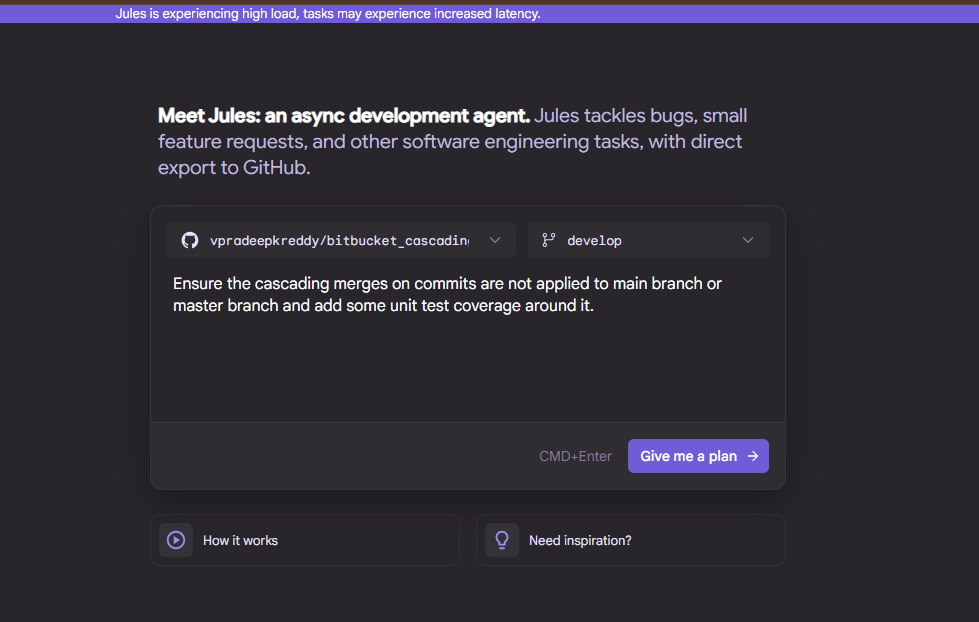
Exploring how to setup OpenAI's Codex, Google's Jules to enhance software development.
%22%3E%0A%20%20%20%20%20%20%3Cstop%20offset%3D%220%25%22%20stop-color%3D%22%238b5cf6%22%2F%3E%0A%20%20%20%20%20%20%3Cstop%20offset%3D%22100%25%22%20stop-color%3D%22%233b0764%22%2F%3E%0A%20%20%20%20%3C%2FlinearGradient%3E%0A%20%20%20%20%3CradialGradient%20id%3D%22halo%22%20cx%3D%220.149%22%20cy%3D%220.274%22%20r%3D%220.55%22%3E%0A%20%20%20%20%20%20%3Cstop%20offset%3D%220%25%22%20stop-color%3D%22rgba(255%2C255%2C255%2C0.32)%22%2F%3E%0A%20%20%20%20%20%20%3Cstop%20offset%3D%2260%25%22%20stop-color%3D%22rgba(255%2C255%2C255%2C0)%22%2F%3E%0A%20%20%20%20%3C%2FradialGradient%3E%0A%20%20%3C%2Fdefs%3E%0A%20%20%3Crect%20width%3D%22800%22%20height%3D%22500%22%20fill%3D%22url(%23g)%22%2F%3E%0A%20%20%3Crect%20width%3D%22800%22%20height%3D%22500%22%20fill%3D%22url(%23halo)%22%2F%3E%0A%20%20%3Cg%20fill%3D%22rgba(255%2C255%2C255%2C0.12)%22%20stroke%3D%22rgba(255%2C255%2C255%2C0.18)%22%20stroke-width%3D%221%22%3E%0A%20%20%20%20%3Ccircle%20cx%3D%22119%22%20cy%3D%22137%22%20r%3D%2269%22%2F%3E%0A%20%20%20%20%3Ccircle%20cx%3D%22681%22%20cy%3D%22363%22%20r%3D%2249%22%2F%3E%0A%20%20%3C%2Fg%3E%0A%20%20%3Ctext%20x%3D%2250%25%22%20y%3D%2252%25%22%20text-anchor%3D%22middle%22%20dominant-baseline%3D%22middle%22%0A%20%20%20%20%20%20%20%20font-family%3D%22Inter%2C%20system-ui%2C%20sans-serif%22%20font-weight%3D%22800%22%0A%20%20%20%20%20%20%20%20font-size%3D%22170%22%20fill%3D%22rgba(255%2C255%2C255%2C0.92)%22%20letter-spacing%3D%22-6%22%3EBR%3C%2Ftext%3E%0A%20%20%3Ctext%20x%3D%2250%25%22%20y%3D%2278%25%22%20text-anchor%3D%22middle%22%0A%20%20%20%20%20%20%20%20font-family%3D%22Inter%2C%20system-ui%2C%20sans-serif%22%20font-weight%3D%22700%22%0A%20%20%20%20%20%20%20%20font-size%3D%2222%22%20letter-spacing%3D%226%22%0A%20%20%20%20%20%20%20%20fill%3D%22rgba(255%2C255%2C255%2C0.78)%22%3ETECHNOLOGY%3C%2Ftext%3E%0A%3C%2Fsvg%3E)
A deep dive into CSS Grid, Flexbox, and other modern layout techniques for creating responsive web interfaces.